Yeah but we then assume the data is there and exists with all the context intact too. Big Data is a one way mirror into what's happening, but this just results in watching but not being able to take part. It's a one-way operation like calculating a prime
Assumes that software is a tangible item, when a more suitable term for it is the wetware between the CPU and a user's screen? This connotation of software with some form of product is analogous to selling sand to The Arabs. There is more than enough to go around, and it is not scare. Soo leave it alone and create products borne from soft, not make the soft the product.
There are tools to remove redundant verbs, adjectives, and adverbs. I like this tool: https://www.textunited.com/blog/shorten-text-to-be-a-faster-... HemingwayApp is also neat, if a little opinionated about what should be edited out. Some phrases only sound right in certain contexts, and I never liked that about academic papers, because they presume an ivory tower readership when infact their target audience could be any body of people
"Your data" assumes there is some sort of Doppelganger attached to a data bundle which is mostly hot air and used to persuade those who buy from data brokers that the data is in-fact correct. I know some FOIA pests who are purposefully polluting such data-sets and then asking for the information and seeing some very skewed results. What if I sell back my data, since that's what they're after anyway? I keep more logs than brokerages and would be happy to hand them over for a fee. One item of browsing history alone is probably worth upwards of $10,0,00
Luckily I have taken out entire classes of attacks against the browser (this one included) using simple, baseline configs that harden the browser. I am unsure how many people take these measures and I don't know the stats for how many people are hardening their browser in some way, but I suspect large swathes of web users are at risk here.
Since this is Hackernews, my efforts to educate the masses on weaponized browser attacks like this would be futile, and I am sure many have configured their browser in some rudimentary way to merry away the assholes.
There is a certain sigh of relief and 'ha catch me if you can' that coats me when I see PoCs like this rendered obsolete and inert.
Another bunch of slides with no context. Is there an accompanying video to go with these, or can we gleen solid info from this?
My takeaway from this is that DNSSEC is done wrong from the outset here, and hence all these vectors are possible. The vectors don't seem particularly nasty if we verify the integrity of DNS from the get go.
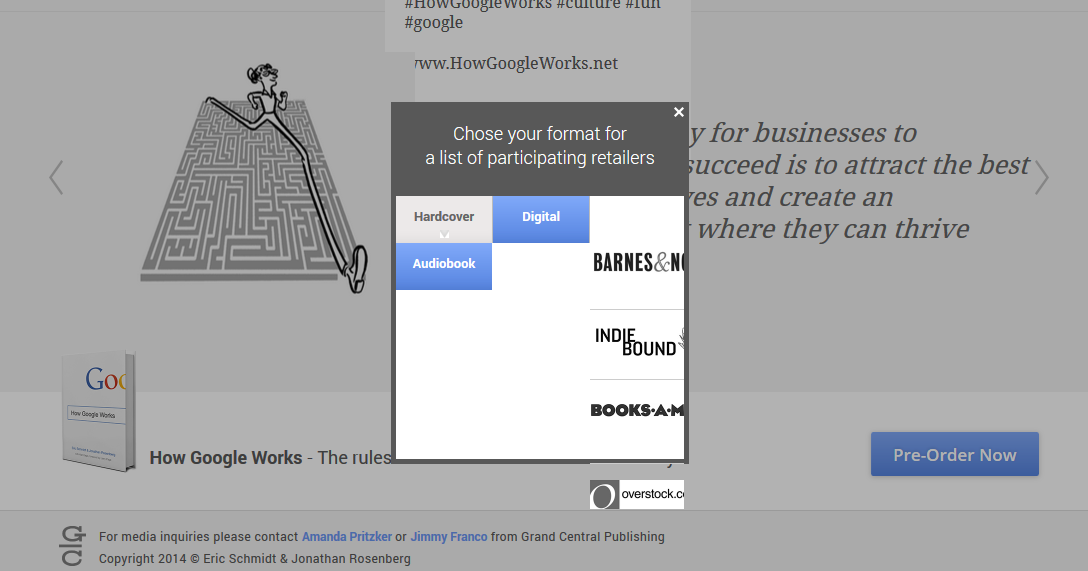
When buying, the checkout page is housed in this tiny iframe:
Also - the UX is terrible, and I have no idea how I should proceed in buying this. This is Google failing to take payment for something that should be seamless enough.
₋ The net is a-central and not dependent on a single facist org to run it
₋ Pirate utopias will crop up to subvert any such control mechanisms.
⸗ 4 letter acronyms by virtue of being over⁻arching make the net stronger by way of streisand effect