China uses Hong Kong security law against US and UK-based activists(theguardian.com)
theguardian.com
China uses Hong Kong security law against US and UK-based activists
https://www.theguardian.com/world/2020/jul/31/china-hong-kong-security-law-american-citizen-exiles
20 comments
I remember last year on youtube stumbling across a research presentation being given by a phd candidate(?) at an Australian university, about using social media posts and community mapping to track down and identify members of the international Uyghur diaspora activist community. The presenter seemed to be presenting it from a kind of neutral ethnographic research stand point. It was kind of a shock to think of this happening at an Australian university.
This seems like a risky move for China that will only hurt them.
I'm not an expert but open targeting people who are citizens of other countries feels like, for lack of better terms, war crimes or diplomatic warfare. It doesn't feel like it will achieve much. The US government will strongly protect anyone targeted in such a way and only retaliate and apply sanctions if they continue, right?
I'm not an expert but open targeting people who are citizens of other countries feels like, for lack of better terms, war crimes or diplomatic warfare. It doesn't feel like it will achieve much. The US government will strongly protect anyone targeted in such a way and only retaliate and apply sanctions if they continue, right?
It seems doubtful the US government, on general principle, would be against targeting people who are citizens of other countries.
Given you are talking about a country which had no qualms about kidnapping people from other countries and also holds people indefinitely without trial, I suppose you are right.
It's Chinese Magnisky act. Sanction and ban those who undermine Chinese interests. Tit-for-tat retaliation for US new sanctions in XJ and HK.
It's a rational move. A lot of anti-Chinese activities was/is driven by disgruntled Chinese diaspora abroad i.e. tons of ex-dissidents forming various anti-China human rights NGOs. They've been operating (and ignored) for years but are now mainstreamed in the west due to recent tensions. It's effective only as much as these people ever want to return to China again, which surprisingly many do. It also puts the cross-hairs on dual Chinese nationals in China, particularly HKers who thought their foreign passports will insulate from anti-state activities. Basically there's a legal framework for blocking exits for ANYONE in HK/China now. It negates FVEY efforts to brain/wealth drain HKers, but really the particular targets are potential dissents who could be weaponized for western propaganda if they were to leave the country - aforementioned western anti-China NGO groups. This is a key lesson China is learning, don't export dirty laundry, that's how you get FLG/Epochtimes. Especially to places with free press and votes, i.e. Canadian conservatives were canvasing HK for last election because HK Canadians were more likely to vote for Conservative party based on their more anti-China positions. The only worse than having dissents spilling dirty laundry abroad is those dissents voting on foreign policy.
It's a rational move. A lot of anti-Chinese activities was/is driven by disgruntled Chinese diaspora abroad i.e. tons of ex-dissidents forming various anti-China human rights NGOs. They've been operating (and ignored) for years but are now mainstreamed in the west due to recent tensions. It's effective only as much as these people ever want to return to China again, which surprisingly many do. It also puts the cross-hairs on dual Chinese nationals in China, particularly HKers who thought their foreign passports will insulate from anti-state activities. Basically there's a legal framework for blocking exits for ANYONE in HK/China now. It negates FVEY efforts to brain/wealth drain HKers, but really the particular targets are potential dissents who could be weaponized for western propaganda if they were to leave the country - aforementioned western anti-China NGO groups. This is a key lesson China is learning, don't export dirty laundry, that's how you get FLG/Epochtimes. Especially to places with free press and votes, i.e. Canadian conservatives were canvasing HK for last election because HK Canadians were more likely to vote for Conservative party based on their more anti-China positions. The only worse than having dissents spilling dirty laundry abroad is those dissents voting on foreign policy.
> It's Chinese Magnisky act. Sanction and ban those who undermine Chinese interests.
The major difference is the Magnisky act isn't targeted at it's own citizens (even Samuel Chu, listed in the article as an American citzen, immigrated from Hong Kong and his HK-living father helped lead the Umbrella movement in HK [1]).
Magnisky act was a geopolitical tool to hit back at other countries acting unethically, usually using the Treasury dept to go after individual actors who worked directly within the target governments. Mostly by targeting bank accounts or travel to the US (China would love for these guys to travel to China). It's also not a means to protect American interests at home either, unless human rights = American interests.
China is just doing what every authoritarian dictator does. Lash out at any of their own citizens who dare become political activists - these 6 just happened to be out of their reach so their criminal charges are drawing publicity.
China's HK National Security law is also not 'sanctioning' foreign actors either, it's sending out basic arrest warrants via the domestic criminal law system. Just as China has been using Interpol warrants for political ends for years, now it's expanding to HK citizens/expats.
[1] Samuel Chu's father https://en.wikipedia.org/wiki/Chu_Yiu-ming
The major difference is the Magnisky act isn't targeted at it's own citizens (even Samuel Chu, listed in the article as an American citzen, immigrated from Hong Kong and his HK-living father helped lead the Umbrella movement in HK [1]).
Magnisky act was a geopolitical tool to hit back at other countries acting unethically, usually using the Treasury dept to go after individual actors who worked directly within the target governments. Mostly by targeting bank accounts or travel to the US (China would love for these guys to travel to China). It's also not a means to protect American interests at home either, unless human rights = American interests.
China is just doing what every authoritarian dictator does. Lash out at any of their own citizens who dare become political activists - these 6 just happened to be out of their reach so their criminal charges are drawing publicity.
China's HK National Security law is also not 'sanctioning' foreign actors either, it's sending out basic arrest warrants via the domestic criminal law system. Just as China has been using Interpol warrants for political ends for years, now it's expanding to HK citizens/expats.
[1] Samuel Chu's father https://en.wikipedia.org/wiki/Chu_Yiu-ming
As a geopolitical tool, they serve the same purpose. China doesn't control SWIFT, so it will coerce in other ways. There's no meaningful difference unless you honestly think Magnisky is for human rights in which case we'll just have to agree to disagree. The significance is overall signalling method, China is stating their national security concerns _publicly_ extends around the world the same way US does. They're not going the oblique route of exploiting interpol or quietly coercing with United Front in this case. It's a new development. It has nothing to do with authoritarianism, just a growing power declaring it's claims on customary supranational privileges that comes with the territory. Though it's hardly enforceable, that said countries with extradition treaties to China aren't insignificant. In the meantime it's designed to chill anti-China diasphora abroad.
Saying so is like saying that all laws are the same as a tool, they serve the same purpose, and there is no difference between felonies, misdemeanors, and infractions.
Or, you are saying that even though the Magnitsky act does not entail imprisonment, it is the same as the national security law which does.
Or, you are saying that even though the Magnitsky act does not entail imprisonment, it is the same as the national security law which does.
I'm saying supranational instruments like this is designed to influence behavior beyond the borders of the origin country, to said countries interests. Countries have different interests and capabilities, so who the target and how they sanction will be different. US uses SWIFT because only she can, Russia publicly assassinates while denying with a wink, China is... just calling for arrest so far. It's not particularly credible outside of diaspora chilling affect because many countries will never accede to it. The important highlight is that China is formalizing it's supranational toolset. Like this list is no where near GuoWenGui / Miles Kwok tier of irritant for CCP, but China was only trying to arrest him via Interpol in 2017.
Your posts defending the CCP are full of false equivalencies and whataboutism. Let's look at the people targeted under the CCP's National Security Law vs. the people targeted under the Magnitsky Acts:
National Security Law:
- Samuel Chu: an American activist and lobbyist working for democracy in HK, and also fighting hunger as the National Organization for MAZON: A Jewish Response to Hunger.
- Nathan Law: former LegCo rep and student activist, also working for democracy in HK until he fled to the UK.
- Simon Cheng: a former UK consulate staffer and pro-democracy activist, abducted and tortured by the CCP.
- Wayne Chan: founder of the Hong Kong Independence Union
- Ray Wong: an interior designer and founder of Hong Kong Indigenous
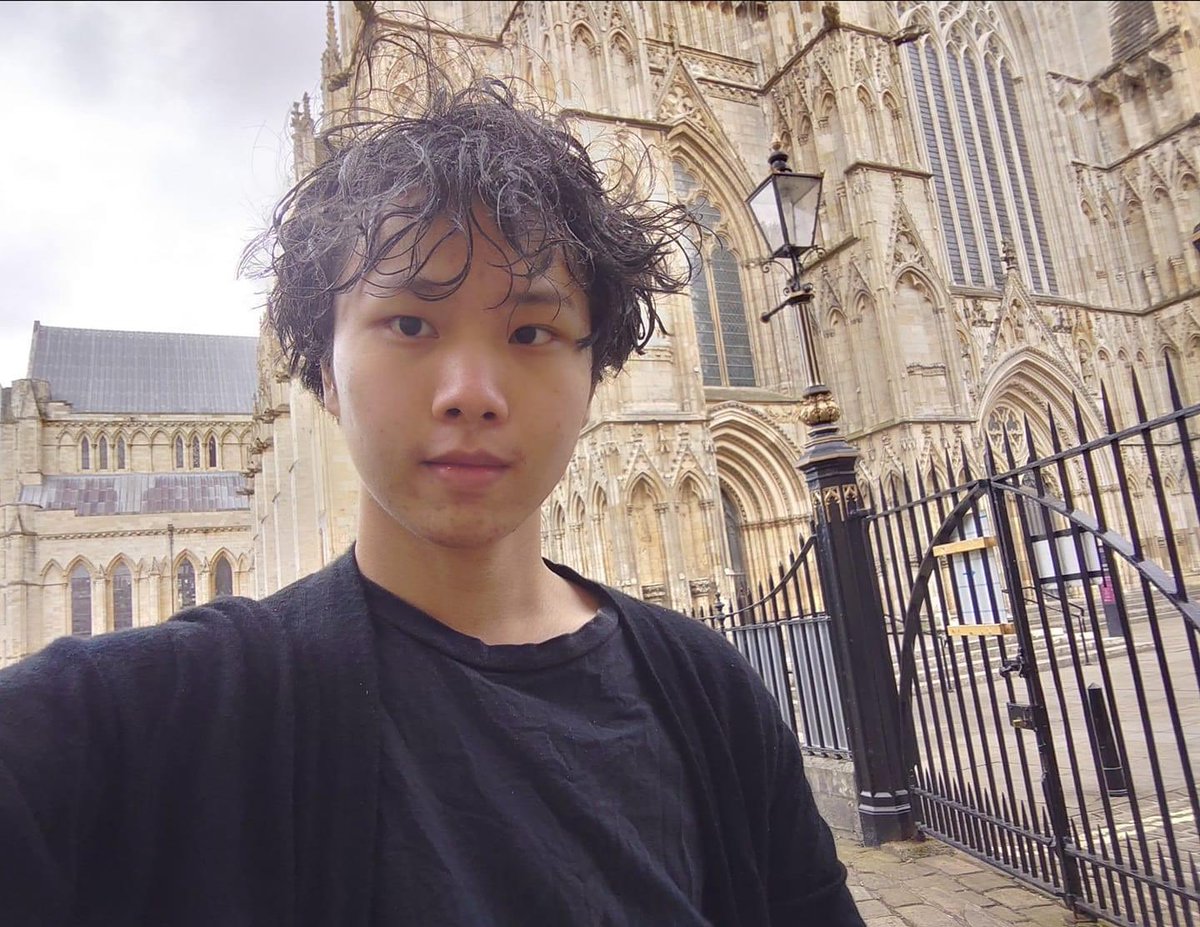
- Honcques Laus: a student (like, look at this kid [1]) who founded the Hongkongers Utilitarian Party, a group that works towards HK democracy and independence.
Real bad people, yeah /s
Magnitsky Acts:
These people [2] all of whom were either:
- Heavily involved in the murder of Russian tax lawyer Sergei Magnitsky (for whom the acts are named)
- Responsible for the murder of Paul Klebnikov
- Responsible for the murder of Umar Israilov
- Heavily involved in involved with the Assassination of Jamal Khashoggi
- Accused by Human Rights Watch of "Crimes against Humanity"
Etc. Etc. Etc.
There is no comparison. This is a false equivalency.
[1]: https://www.scmp.com/news/hong-kong/law-and-crime/article/30...
[2]: https://en.wikipedia.org/wiki/Magnitsky_Act#Individuals_affe...
National Security Law:
- Samuel Chu: an American activist and lobbyist working for democracy in HK, and also fighting hunger as the National Organization for MAZON: A Jewish Response to Hunger.
- Nathan Law: former LegCo rep and student activist, also working for democracy in HK until he fled to the UK.
- Simon Cheng: a former UK consulate staffer and pro-democracy activist, abducted and tortured by the CCP.
- Wayne Chan: founder of the Hong Kong Independence Union
- Ray Wong: an interior designer and founder of Hong Kong Indigenous
- Honcques Laus: a student (like, look at this kid [1]) who founded the Hongkongers Utilitarian Party, a group that works towards HK democracy and independence.
Real bad people, yeah /s
Magnitsky Acts:
These people [2] all of whom were either:
- Heavily involved in the murder of Russian tax lawyer Sergei Magnitsky (for whom the acts are named)
- Responsible for the murder of Paul Klebnikov
- Responsible for the murder of Umar Israilov
- Heavily involved in involved with the Assassination of Jamal Khashoggi
- Accused by Human Rights Watch of "Crimes against Humanity"
Etc. Etc. Etc.
There is no comparison. This is a false equivalency.
[1]: https://www.scmp.com/news/hong-kong/law-and-crime/article/30...
[2]: https://en.wikipedia.org/wiki/Magnitsky_Act#Individuals_affe...
They're both tools for large power with supranational privileges for geopolitical interests. Which makes them directly comparable and functionally equivalent. Drawing up a list trying to label one group good and other group bad misses the point. Each group is bad for interest for the respective countries, that's all that matters.
Also, follow the news, Magnitsky was just applied to XinJiang paramilitary organization XPCC/Bingtuan. They had key XJ leadership on the list already like ChenQuanguo, but just slapped the act 24 hours ago on an organization with 2.4 million people. Prior to this they were threatening to ban all of CCP members and associates - 1/6 of the country. Before they labelled IRGC an terrist organization. US supranational instruments are being interpreted beyond their limits under this admin, especially Pompeo and his Chinahawk clique. China announcing their own supranational instruments is overdue, and all it does is target obviously anti-state actors, instead of something like the entire republican party, or entire US special operations command, which is downright restraint and responsible in comparison.
Also, follow the news, Magnitsky was just applied to XinJiang paramilitary organization XPCC/Bingtuan. They had key XJ leadership on the list already like ChenQuanguo, but just slapped the act 24 hours ago on an organization with 2.4 million people. Prior to this they were threatening to ban all of CCP members and associates - 1/6 of the country. Before they labelled IRGC an terrist organization. US supranational instruments are being interpreted beyond their limits under this admin, especially Pompeo and his Chinahawk clique. China announcing their own supranational instruments is overdue, and all it does is target obviously anti-state actors, instead of something like the entire republican party, or entire US special operations command, which is downright restraint and responsible in comparison.
> They're both tools for large power with supranational privileges for geopolitical interests. Which makes them directly comparable and functionally equivalent.
The Magnitsky acts are the US flexing its power in pursuit of human rights. The NSL is the CCP flexing its power to entrench its authoritarian hold over the Chinese diaspora and international business. That's a fundamental, moral difference.
> Drawing up a list trying to label one group good and other group bad misses the point.
No it perfectly illustrates my point. The targets of the Magnitsky acts are corrupt murderers. The targets of the NSL are democratic activists.
> Each group is bad for interest for the respective countries, that's all that matters.
Yeah but the CCP is evil, so groups that are bad for them (like democratic activists) are good.
> Also, follow the news, Magnitsky was just applied to XinJiang paramilitary organization XPCC/Bingtuan.
The CCP is committing an atrocity in Xinjiang, and the XPCC is the CCP government organization that's largely responsible. This is exactly what the Magnitsky acts are for.
> ...just slapped the act 24 hours ago on an organization with 2.4 million people
Let's have a look at what the order says:
> As a result of today’s action, all property and interests in property of the [XPCC] and individuals named above, and of any entities that are owned, directly or indirectly, 50 percent or more by them, individually, or with other blocked persons, that are in the United States or in the possession or control of U.S. persons, are blocked....
So it's not all 2.4 million XPCC members.
> US supranational instruments are being interpreted beyond their limits under this admin, especially Pompeo and his Chinahawk clique.
Pompeo is, like the rest of the free world, critical of the CCP. That's different than being a "Chinahawk".
> China announcing their own supranational instruments is overdue...
The CCP has no moral authority to do so, therefore these "instruments" are hegemonic at best.
> ...and all it does is target obviously anti-state actors...
If your idea of an anti-state actor is this kid [1], I can't take you seriously. And you should say the whole thing: "anti-authoritarian-state actors". Or, "democracy activists" is shorter.
> instead of something like the entire republican party, or entire US special operations command, which is downright restraint and responsible in comparison.
Look I'm no fan of the GOP, but if they build an insane surveillance state in order to put 1-3 million ethnic/religious minorities in concentration camps indefinitely with no charges or trials where they experience "torture, rape, sterilization, and other abuses" [2], sure, freeze their accounts.
[1]: https://pbs.twimg.com/media/EeJ-eZKUEAAZ3I2.jpg
[2]: https://www.uscirf.gov/sites/default/files/China_0.pdf
The Magnitsky acts are the US flexing its power in pursuit of human rights. The NSL is the CCP flexing its power to entrench its authoritarian hold over the Chinese diaspora and international business. That's a fundamental, moral difference.
> Drawing up a list trying to label one group good and other group bad misses the point.
No it perfectly illustrates my point. The targets of the Magnitsky acts are corrupt murderers. The targets of the NSL are democratic activists.
> Each group is bad for interest for the respective countries, that's all that matters.
Yeah but the CCP is evil, so groups that are bad for them (like democratic activists) are good.
> Also, follow the news, Magnitsky was just applied to XinJiang paramilitary organization XPCC/Bingtuan.
The CCP is committing an atrocity in Xinjiang, and the XPCC is the CCP government organization that's largely responsible. This is exactly what the Magnitsky acts are for.
> ...just slapped the act 24 hours ago on an organization with 2.4 million people
Let's have a look at what the order says:
> As a result of today’s action, all property and interests in property of the [XPCC] and individuals named above, and of any entities that are owned, directly or indirectly, 50 percent or more by them, individually, or with other blocked persons, that are in the United States or in the possession or control of U.S. persons, are blocked....
So it's not all 2.4 million XPCC members.
> US supranational instruments are being interpreted beyond their limits under this admin, especially Pompeo and his Chinahawk clique.
Pompeo is, like the rest of the free world, critical of the CCP. That's different than being a "Chinahawk".
> China announcing their own supranational instruments is overdue...
The CCP has no moral authority to do so, therefore these "instruments" are hegemonic at best.
> ...and all it does is target obviously anti-state actors...
If your idea of an anti-state actor is this kid [1], I can't take you seriously. And you should say the whole thing: "anti-authoritarian-state actors". Or, "democracy activists" is shorter.
> instead of something like the entire republican party, or entire US special operations command, which is downright restraint and responsible in comparison.
Look I'm no fan of the GOP, but if they build an insane surveillance state in order to put 1-3 million ethnic/religious minorities in concentration camps indefinitely with no charges or trials where they experience "torture, rape, sterilization, and other abuses" [2], sure, freeze their accounts.
[1]: https://pbs.twimg.com/media/EeJ-eZKUEAAZ3I2.jpg
[2]: https://www.uscirf.gov/sites/default/files/China_0.pdf
One man's freedom fighter is another man's terrorist etc. There are 11 year olds in Abu Ghraib. No one thinks they should be there, but here we are.
If you're position is US good, China bad, and Pompeo is not a China-hawk (forgone consensus among China watchers) then there's very little we can reconcile on. At the end of the day, these instruments aren't designed to be fair or moral, but welded for self-serving interests and China has hers. China didn't start the decoupling or cold war, nor start and continues to ramp up bellicose escalations. You're welcome to believe US/Pompeo is virtuous in their crusade, and CCP is bankrupt, but it doesn't stop the fact that China is big enough to respond, has responded, and will continue to.
If you're position is US good, China bad, and Pompeo is not a China-hawk (forgone consensus among China watchers) then there's very little we can reconcile on. At the end of the day, these instruments aren't designed to be fair or moral, but welded for self-serving interests and China has hers. China didn't start the decoupling or cold war, nor start and continues to ramp up bellicose escalations. You're welcome to believe US/Pompeo is virtuous in their crusade, and CCP is bankrupt, but it doesn't stop the fact that China is big enough to respond, has responded, and will continue to.
[deleted]
Maybe the US 15-20 years ago. Now it really depends on how many friends you have in DC.
> This seems like a risky move for China
After labors with Uigurs it looks, hmm, "normal" for China. But definitely not normal or even shitty for general people in 2020.
After labors with Uigurs it looks, hmm, "normal" for China. But definitely not normal or even shitty for general people in 2020.
Okay but to play devil's advocate, how far up the chain does it go? Did some low-level journalist-grabber accidentally add them to a list, and the bureaucracy is such that it can't be undone easily?
Whether this is enforceable is another question entirely and will reveal the extent of China's influence. Much like how Canada's response to America's extradition request of Meng Wanzhou shows Canada solidly within the American sphere, we can use successful extraditions to China to map out a Chinese sphere.