Possibly tangential, but this article and some of the discussion here reminded me of this HN thread from 2020: "Ask HN: Former software engineers, what are you doing now?" - https://news.ycombinator.com/item?id=23951850
A former boss of mine retired early once he decided he was done with the politics required to navigate his work. He fully unplugged from corporate life and got comfortable delving into his passions... cycling, woodworking (so much woodworking), etc. He seemed to be having a blast from what I could see. I recently caught up with him, and it turned out after about a year off, he'd just accepted a job at a fintech that his former boss reached out about. I guess for him it was time to go from that specific job but maybe not quite from engineering in general.
> So really the ideal is not just having an app that generates a token but one that generates a specific type of token depending on what type of transaction you're performing and won't accept, for example, a login token when adding a new payee. I haven't seen any bank with that level of 2fa yet, has anyone else?
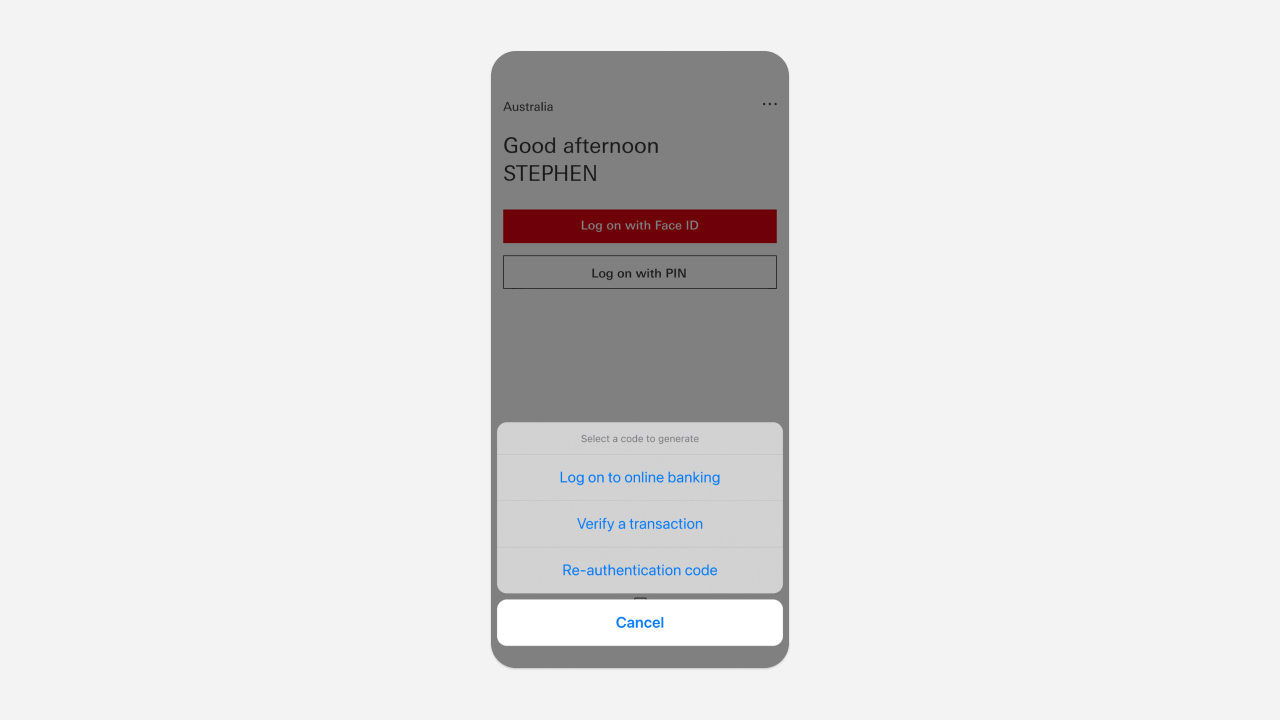
HSBC actually has this. All of their country-specific apps allow you to generate a different security code depending on whether you want to login to the website, verify a transaction (e.g. transfer funds to payee), or re-authenticate (e.g. to change your personal info, like your phone number).
- You can subscribe to your TripIt calendar, so that all of your trip details automatically show up on your personal calendar app. You only have to do this once (not for every trip). If like me, you use your calendar to run your life, this is a huge productivity benefit.
- You can forward your flight confirmation emails and accommodation booking emails from most hotels, trip booking sites (e.g. Booking.com, Kayak, Amex Travel) and even Airbnb/VRBO/etc. to TripIt, and they parse the contents and add the details to your itinerary
- For me, it's now become my source of record for when I was last in/out of the country, which I find super useful for US immigration stuff (green card, global entry, citizenship applications, etc.) and some non-US visa applications too
- If your company uses Concur for travel/expense management, you can link your work account as well so that work trips show up there too
- I think this might be a Pro feature, but you can get alerts of gate changes, flight delays, baggage carousel assignments, etc., oftentimes even before your airline informs you
- I don't use this as much, but you can also invite people to individual trips and they automatically get all itinerary updates
There's lots more benefits, but these are my top ones that come to mind. The UI is super old school, which I don't love, but the convenience far outweighs this and some of the other cons for me.
I don’t drive, so I’m a little unclear as to what the issue is with Tesla’s force-touch turn signals specifically in roundabouts. The article only states that it’s a problem, but not how it’s a problem. Could anyone elaborate?
To be clear - I can understand why this design is awful more generally. What I don’t understand is the problem it poses specifically in roundabouts since that seems to be the central point of the article.
A former boss of mine retired early once he decided he was done with the politics required to navigate his work. He fully unplugged from corporate life and got comfortable delving into his passions... cycling, woodworking (so much woodworking), etc. He seemed to be having a blast from what I could see. I recently caught up with him, and it turned out after about a year off, he'd just accepted a job at a fintech that his former boss reached out about. I guess for him it was time to go from that specific job but maybe not quite from engineering in general.