The Bitter Regrets of a Useless Chinese Daughter(nytimes.com)
nytimes.com
The Bitter Regrets of a Useless Chinese Daughter
https://www.nytimes.com/2018/08/23/opinion/international-world/the-bitter-regrets-of-a-useless-chinese-daughter.html
141 コメント
Hence you don't have a safety net and can't be an entrepreneur. If you can take the chance of getting rich or becoming homeless, good luck with that. Otherwise, 9-5 jobs are the only option.
If you are middle class (~$30k-$70k per annum) you can be wealthy* by focusing your spending on freedom, aka capital investments. I did not understand this was an option before reading the blog of Mr. Money Mustache[0]. Reading that and the Living a FI blog[1] may hopefully be as life-changing to you reading this comment as it was for me.
* Wealthy in time to spend with those you love
[0] https://www.mrmoneymustache.com/
[1] https://livingafi.com/
* Wealthy in time to spend with those you love
[0] https://www.mrmoneymustache.com/
[1] https://livingafi.com/
Woah, I've encountered me 4 years ago online. You sound just like I did.
To past me, I highly recommend audiobooking "Millionaire Fastlane". Do not let the awkward title turn you off. It'll put you in a much more productive mindset than Mr. Mustache.
To past me, I highly recommend audiobooking "Millionaire Fastlane". Do not let the awkward title turn you off. It'll put you in a much more productive mindset than Mr. Mustache.
What impact did this book have on you? What have you achieved since reading it that you otherwise would not have? Investments? What other books do you recommend?
I've adopted less of a scarcity mentality, and it reinforced the notion that I'll never get rich and achieve my goals by staying the course in my career. Not rich before age 65 at any rate.
Another book I recommend is "How to Fail at Everything and Still Win Big". Adams has a great approach of using systems instead of goals.
Another book I recommend is "How to Fail at Everything and Still Win Big". Adams has a great approach of using systems instead of goals.
I didn't know about MMM, thanks for that. I've learned about this phenomenon on a different website [1] and amazed by it. Small investments over a long period makes a huge difference but still, you need a long enough period or put huge amounts at the right time of the market. S&P 500 has worst performance of -3% over 10 year period. It gets better after 15 years and so on. Investing and hoping to retire early during this window is certainly not going to work.
I think everybody who works 9-5 should read the story about Grace Groner in [1]. It was a real eye opener for me.
[1] https://www.collaborativefund.com/blog/the-psychology-of-mon...
I think everybody who works 9-5 should read the story about Grace Groner in [1]. It was a real eye opener for me.
[1] https://www.collaborativefund.com/blog/the-psychology-of-mon...
I like MMM as much as the next person, but saying that his project of "live cheaply on dual, 6-figure incomes" is a workable path to FI for people making $30k-$70k is disingenuous.
Right: It's really annoying when some people peddle "rags to riches" stories where -- upon a bit more digging -- you realize that the protagonist was actually nowhere near "rags" status and that their family's affluence or connections were key factors in them being able to event attempt their lucky moon-shot.
This is a really great point. "Following your dreams" tends to come at the expense of your parents and not yourself. Which is fine if your parents can afford it I guess, but the idea that following your dream is a noble and brave act is seriously flawed.
This also applies to taking a low or non paying internship at a big company: free labor, subsidized by the dream-seeking intern's parents.
In LA, very often the dream is a job in the entertainment industry.
In LA, very often the dream is a job in the entertainment industry.
If its anything like the UK having family connections helps a lot.
Some wisdom that's not easy to imagine for ourselves, but statistically..
"Looking back on my high school years, all my relatives tried to talk me, a top-ranking student, into majoring in science or finance in college. But I was stubborn enough to stay with my favorite subject, literature.
Now I understand them. They knew very well that in life, things can easily fall apart, and that those degrees are a promise of a steady, good-paying job, and perhaps a ticket to freedom, too."
Feeling the shadow of how things can fall apart easily can be delayed until one's 30's or 40s for the privileged, but everyone will see it.
"Looking back on my high school years, all my relatives tried to talk me, a top-ranking student, into majoring in science or finance in college. But I was stubborn enough to stay with my favorite subject, literature.
Now I understand them. They knew very well that in life, things can easily fall apart, and that those degrees are a promise of a steady, good-paying job, and perhaps a ticket to freedom, too."
Feeling the shadow of how things can fall apart easily can be delayed until one's 30's or 40s for the privileged, but everyone will see it.
What did you end up doing with your literature degree if you don't mind me asking. I hope you found your profitable niche, if not what is the barrier to success?
My point was the increased awareness of fragility as time goes on, regardless of a science or arts education.
I didn't take literature, I was in sciences. Today those who are read, and can write are able to write marketing, copy, communication and are valuable where techies struggle to growth hack.
In university, it seemed friends in sciences had less of a sense of themselves, but found a career easier. It was also noticeable that friends in arts may not have had a clear path to a career, but seemed to have a clearer sense of themselves, or at least an ability to explore and articulate it.
I didn't take literature, I was in sciences. Today those who are read, and can write are able to write marketing, copy, communication and are valuable where techies struggle to growth hack.
In university, it seemed friends in sciences had less of a sense of themselves, but found a career easier. It was also noticeable that friends in arts may not have had a clear path to a career, but seemed to have a clearer sense of themselves, or at least an ability to explore and articulate it.
The need for money and/or guanxi might be worse in China, but it's certainly not China-specific.
Every time I see an example of police and the justice system running roughshod over somebody I think "I need to be rich and well-connected so this won't happen to me". The ability to get top medical care in America is also dependent on having good connections, insurance, and/or deep pockets.
Of course, as an introvert, I'm relatively bad at creating and holding on to a wide net of connections, so I have to make up for it with more money.
Every time I see an example of police and the justice system running roughshod over somebody I think "I need to be rich and well-connected so this won't happen to me". The ability to get top medical care in America is also dependent on having good connections, insurance, and/or deep pockets.
Of course, as an introvert, I'm relatively bad at creating and holding on to a wide net of connections, so I have to make up for it with more money.
I am experiencing similar problems with my parents in China right now... it is super stressful. Being a nerd throughout my life, I disdained people using each other for achieving anything - I didn't think it's real friendship. In a way, I was right, and in other ways, I couldn't be more wrong... I was just too stubborn and selfish to accept their social rules. Now I don't even know how to help my parents to do simple things like getting them a good doctor...
> Why do we need to be rich or have guanxi merely to enjoy access to very basic public services?
I can't speak about China, butt this question was quite pertinent in communist Romania. The answer should be fairly obvious. Because it's communist and the government doesn't give a fuck about its people. That's likely why the daughter is in America. That most certainly is how I ended up here. When it's necessary to have connections in high places or a ton of money or both just to get the doctors to not let you die or to get any decent healthcare, that's the sign of a system that has failed most if not all of its people. We should learn from this here in America because we are only a little ahead of this type of situation with healthcare here. Instead of connections though, the privileged here have good health care and the money to pay for it.
I can't speak about China, butt this question was quite pertinent in communist Romania. The answer should be fairly obvious. Because it's communist and the government doesn't give a fuck about its people. That's likely why the daughter is in America. That most certainly is how I ended up here. When it's necessary to have connections in high places or a ton of money or both just to get the doctors to not let you die or to get any decent healthcare, that's the sign of a system that has failed most if not all of its people. We should learn from this here in America because we are only a little ahead of this type of situation with healthcare here. Instead of connections though, the privileged here have good health care and the money to pay for it.
> After every social tragedy, victims are subjected to disdain on social media, rather than sympathy: “this happened to you because you are a loser; because you don’t have the right connections; because you are not making enough money.
Not true. People's reaction is same as ordinary people, sympathy and pity.
Not true. People's reaction is same as ordinary people, sympathy and pity.
You have this same problem as non-chinese or as non-daughter (son). It's the issue of living far away from your parents and family, they get old, sick and will die at some point and you can't do much, besides feeling guilt and frustration. Whether your family is in China, Europe or wherever, same feeling.
Does anyone else think this reads almost like propaganda?
Any legitimate grievance can sound like "propaganda placed by hostile foreign agents to undermine domestic morale" to the right ears.
Not at all. Propaganda for what?
The whole thing read like it was painting a picture of US society being utopia while Chinese society is restrictive where only a few make it.
I believe both to a limited extent, but it's hard not to get the feeling this article doesn't have a spin. I knew I would be outspoken on this but I felt I should mention it anyway.
I believe both to a limited extent, but it's hard not to get the feeling this article doesn't have a spin. I knew I would be outspoken on this but I felt I should mention it anyway.
you're looking at this from a strictly Western perspective, this story was fairly similar something my mother went through when my grandfather in Shanghai had a heart attack, and anybody with a similar background can tell you this is something they've either personally felt or seen in a close family member.
I've been struggling with dream fulfillment vs. pragmatism for weeks now. The dillema is this: I only have a finite amount of time on the weekends and after work -- should I work on this side project idea that I want to turn into a start up or dedicate the time to study for interviews and secure my future with a high salary.
Its been gnawing at me for weeks now and I think after reading this I've made my decision.. my parents are old and sick.. I'm the most successful child and have been covering medical bills for the past year.. it seems irresponsible to try to start a start up that will most likely fail instead of trying to secure a higher paying job so that I can cover their bills and live more comfortably. It may not be the glamorous thing to do but we all have responsibilities...
Its been gnawing at me for weeks now and I think after reading this I've made my decision.. my parents are old and sick.. I'm the most successful child and have been covering medical bills for the past year.. it seems irresponsible to try to start a start up that will most likely fail instead of trying to secure a higher paying job so that I can cover their bills and live more comfortably. It may not be the glamorous thing to do but we all have responsibilities...
Go for the higher paying job, but do not raise your standard of living. Start building you ability to save. You can grow wealth in a salary job if you are smart about how you spend money.
Are you a "Type A", driven, aggressive, visionary, take-the-lead type of person? If not, you will not do well running a startup. Having a dream is not enough.
It's not for everyone, and it takes a strong leader to make a startup successful. No shame admitting that it isn't for you, the world needs leaders and the world needs people who get the work done.
It's not for everyone, and it takes a strong leader to make a startup successful. No shame admitting that it isn't for you, the world needs leaders and the world needs people who get the work done.
Try this exercise: Write down what will happen if you were to die right now. For me, this answers most questions about what I should do.
Pretty much nothing will happen, unless you have dependents. Whatever will happen might have mattered for you, but you're dead.
Quite a lot of people have died already with not a lot of consequence.
Quite a lot of people have died already with not a lot of consequence.
I agree that on the whole, nothing matters. But in a felt sense, my life matters more when I have other people to care for and interact with or some goal that needs to be reached. Reflecting on my inevitable end gives a sense of urgency and an appreciation of the people around me.
Life insurance pays out. This doesn't answer much for me.
Does it have to be an either/or situation?
2 months of spare time is probably the upper end of how much you should spend preparing for coding interviews, once that is done you could start working on your side project?
2 months of spare time is probably the upper end of how much you should spend preparing for coding interviews, once that is done you could start working on your side project?
It is generally better to use a spaced repetition schedule than cram in 2 months... So, taking say 4h each week or perhaps something even more adaptive would be better.
I've made a career of chasing other people's dreams: I look for opportunities at well-funded or well-positioned small companies and insert myself into the opportunity to help others achieve their dreams. It's fun, and sometimes it's fortuitous, but most of the time it just pays the bills and keeps my life interesting.
The key is that it pays the bills and remains interesting. If I were to chase my own entrepreneurial ambitions I suspect that the latter _and_ the former would give way to stress and poverty. With kids, that's not particularly desirable.
The key is that it pays the bills and remains interesting. If I were to chase my own entrepreneurial ambitions I suspect that the latter _and_ the former would give way to stress and poverty. With kids, that's not particularly desirable.
I am just entering the job market and I would like to try and make this my career as well. I'd like to go from early stage company to early stage company and help the founders build something cool. Any tips or advice?
Probably nothing you haven't heard before. ;)
1. If the pay cheques stop clearing then you stop working and move on.
2. Always eat broccoli, metaphorically: every company wants for someone who is happy to do, and able to do, the work that others cannot or will not do.
3. Don't be afraid to ask how they're funded and what their business plan is; you are, in a sense, an investor who supplies labour.
4. Stock is _usually_ worth less than the paper it's printed on.
5. Manage your managers; they'll push you hard and squeeze blood from you, and only you are able to ensure work/life balance.
1. If the pay cheques stop clearing then you stop working and move on.
2. Always eat broccoli, metaphorically: every company wants for someone who is happy to do, and able to do, the work that others cannot or will not do.
3. Don't be afraid to ask how they're funded and what their business plan is; you are, in a sense, an investor who supplies labour.
4. Stock is _usually_ worth less than the paper it's printed on.
5. Manage your managers; they'll push you hard and squeeze blood from you, and only you are able to ensure work/life balance.
Here is a practical thought experiment that might help you: picture yourself many years from now, on your deathbed; would you have more regrets of having gone down path A or B?
That is not very practical, as you don't know how the future will turn out. If they start a startup and succeed they'll likely be happy about that decision. It's very hard to figure out expected outcomes for actions, and it's not very productive to think about worst-case (or best-case) outcomes.
I don't think I explained myself very well. You don't need to predict the future. You just need to estimate the amount of regret you would have by NOT doing something.
Living a fulfilling life is about minimizing regrets. People regret not trying to initiate relationships with potential soulmates. People regrets not trying working on a business idea that could have been very successful. People regret not spending more time with family. Etc. The regrets you will have on your deathbed are probably regrets you will have carried your entire life, and thus regrets that will have haunted you and hampered you from living a fulfilling life.
It turns out that in many cases, regrets are independent of the outcome. For example you may not know whether a relationship with a potential soulmate will fail or succeed. But you will probably have more regrets by NOT giving it a shot at all.
Living a fulfilling life is about minimizing regrets. People regret not trying to initiate relationships with potential soulmates. People regrets not trying working on a business idea that could have been very successful. People regret not spending more time with family. Etc. The regrets you will have on your deathbed are probably regrets you will have carried your entire life, and thus regrets that will have haunted you and hampered you from living a fulfilling life.
It turns out that in many cases, regrets are independent of the outcome. For example you may not know whether a relationship with a potential soulmate will fail or succeed. But you will probably have more regrets by NOT giving it a shot at all.
>Living a fulfilling life is about minimizing regrets.
While I very much agree with your advice on thinking of how you'll feel on your deathbed, I would be careful in your phrasing. People often make poor decisions about the future because they are overly concerned with whether they will regret a decision or not. You will find many who believe that focusing on regret will get in the way of life satisfaction, and it is a perspective worth considering.
For me, it makes sense to make some achievable goals (relationship, career, hobbies/activities, etc). Then start paring and prioritizing. Without the latter, I will always have more things I would like to achieve than is possible, and will always have regrets - it's rather pointless.
While I very much agree with your advice on thinking of how you'll feel on your deathbed, I would be careful in your phrasing. People often make poor decisions about the future because they are overly concerned with whether they will regret a decision or not. You will find many who believe that focusing on regret will get in the way of life satisfaction, and it is a perspective worth considering.
For me, it makes sense to make some achievable goals (relationship, career, hobbies/activities, etc). Then start paring and prioritizing. Without the latter, I will always have more things I would like to achieve than is possible, and will always have regrets - it's rather pointless.
I don’t look back on decisions I’ve made and evaluate them based on outcome. I evaluate them based on the experience and my decision making.
My issue with this thought experiment is that I'm not convinced that one's thoughts at one's deathbed have a lot of value.
Being lucid at one's deathbed is already a positive situation that might simply not happen under some circumstances.
Being lucid at one's deathbed is already a positive situation that might simply not happen under some circumstances.
I think you're taking it too literally. Let's say you are 60 years old, in perfectly good mental health, and are diagnosed with a terminal illness and will not live longer than a few months.
I rarely do this exercise, but it has been helpful at times. It's a lot simpler to do if you're older (late 30's or higher). You can look back at your pursuits over the last few decades and can actually see things like "Oh, I've been learning new programming languages for so many years now. How useful has it been?" If I extrapolate for another decade or two, will I be happy at age 50 or 60 with the outcome if I continue with these activities?
I have many more pursuits than I can do in this life. When you're younger, you usually don't limit your options because you feel you have a lot of time. When you're 40, you can easily say "I've been doing this for 20 years. If I don't change/prioritize, I'll soon be at 60. Is this stuff worth doing at the expense of other pursuits?"
This year I ticked off two bucket items. I had been putting them off for too long. IMO, it is worth thinking that way.
I rarely do this exercise, but it has been helpful at times. It's a lot simpler to do if you're older (late 30's or higher). You can look back at your pursuits over the last few decades and can actually see things like "Oh, I've been learning new programming languages for so many years now. How useful has it been?" If I extrapolate for another decade or two, will I be happy at age 50 or 60 with the outcome if I continue with these activities?
I have many more pursuits than I can do in this life. When you're younger, you usually don't limit your options because you feel you have a lot of time. When you're 40, you can easily say "I've been doing this for 20 years. If I don't change/prioritize, I'll soon be at 60. Is this stuff worth doing at the expense of other pursuits?"
This year I ticked off two bucket items. I had been putting them off for too long. IMO, it is worth thinking that way.
I had the same reflection, but I think it’s still useful for framing the situation. Don’t think too hard, think Hollywood movie situation.
I had these thoughts before...but realized there is no point optimizing life for the last six months.
The other answers to your question really seem to indicate that we live in the age of the last man.
> I only have a finite amount of time on the weekends and after work..
No mortal being have unlimited time at their disposal. Very few have the fortitude and discipline and above all, guts, to use it for realizing what ever "dream" that they have.
We all have responsibilities. But some does not hide behind them.
No mortal being have unlimited time at their disposal. Very few have the fortitude and discipline and above all, guts, to use it for realizing what ever "dream" that they have.
We all have responsibilities. But some does not hide behind them.
This may sound obvious, but have you considered part-time work? If you look out for it, there's a good chance you might find software companies supporting it. Compensation might not be as stellar though, but at least it's a guaranteed income and you still have some time for your side project.
It's trendy to run your own start up but honestly I'd rather work for an established company on a decent wage and have my startup idea as side projects for fun. If they become profitable then I get a little extra pocket money. However more often than not it's just something to scratch a personal itch so I'd rather just give it away to the open source community since it has already been so generous to me and my career.
This seems a rather unpopular (at least if you read HN) philosophy these days but it keeps me financially secure, my skills sharp and my attention focused on the stuff that actually matters (family, personal health and happiness etc).
This seems a rather unpopular (at least if you read HN) philosophy these days but it keeps me financially secure, my skills sharp and my attention focused on the stuff that actually matters (family, personal health and happiness etc).
Startups and regular jobs are really different experiences; some people enjoy the thrill of being weeks away from running out of cash, or crunching hours after hours to get the product out to the market and potentially making a ton of money in a short period of time. Others like to have a more regular schedule which for them is more productive. So people kinda naturally gravitate towards either kind of job when they really follow their instincts. But many people often don’t and the mismatch does create frustration.
Life is suffering. And I don't mean that in some existential sense. The lifestyles people choose is summed up by how they want to suffer.
I consider myself an optimist, but I do also agree with you. The interesting thing for me has been that often people try to avoid a certain kind of suffering but end up suffering in a different way. So you just can't get away from that fact.
I absolutely agree. Sure if someone is young, try running your own startup and when that fails you can get a normal job. Everyone wants to claim they are an entrepreneur but that means you are a sales person. Your technical abilities don't mean much.
Don't give up. Find a time slot - few hours a week maybe. If you're disciplined and can stick to it you'll accomplish a lot while still working full time.
From a 35 yo, with a child, background dirt poor parents who has basically been struggling my entire life (to give you a point of view of my comment). Go for the higher paying job.
Something that is secure, and has a smaller chance of everything collapsing on you, is a main requisite. I have similar issues (family to support, more bills than income).
You don't want to be in this position. It's more difficult to claw your way from the bottom than it is to keep afloat.
Unless you are certain that you can find your idea and keep afloat enough to cover everything, I wouldn't risk your current position.
But take this with a bag of salt, but remember my warning - if there is no safety net, you are not the only one to suffer.
Edit.
Is it somethig. You are able to start in your free time (you're lucky to have any, so use it wisely!) If so I'd say keep working on it u til you get some sort of traction.
Second edit : it's what I'm doing. 70+ hours a week to support my family, and what time I can scrape together to work on my side project.
Something that is secure, and has a smaller chance of everything collapsing on you, is a main requisite. I have similar issues (family to support, more bills than income).
You don't want to be in this position. It's more difficult to claw your way from the bottom than it is to keep afloat.
Unless you are certain that you can find your idea and keep afloat enough to cover everything, I wouldn't risk your current position.
But take this with a bag of salt, but remember my warning - if there is no safety net, you are not the only one to suffer.
Edit.
Is it somethig. You are able to start in your free time (you're lucky to have any, so use it wisely!) If so I'd say keep working on it u til you get some sort of traction.
Second edit : it's what I'm doing. 70+ hours a week to support my family, and what time I can scrape together to work on my side project.
Don’t view it as an either-or. Figure out the best step now for you, perhaps a higher paying job. But that job can lead to opportunities and you may have more cushion and connections to make a better jump into whatever else you want to do later. Think of it as risk management [1]. Too much stress and you won’t function. Manage risk and manage stress to a level that works best for you. Somewhere past perseverance lies adaptability & flexibility at number six on the life checklist. [2]
[1] https://www.public.navy.mil/NAVSAFECEN/PublishingImages/ORM/...
[2] https://slideplayer.com/slide/8751842/26/images/15/CRM+Situa...
[1] https://www.public.navy.mil/NAVSAFECEN/PublishingImages/ORM/...

[2] https://slideplayer.com/slide/8751842/26/images/15/CRM+Situa...
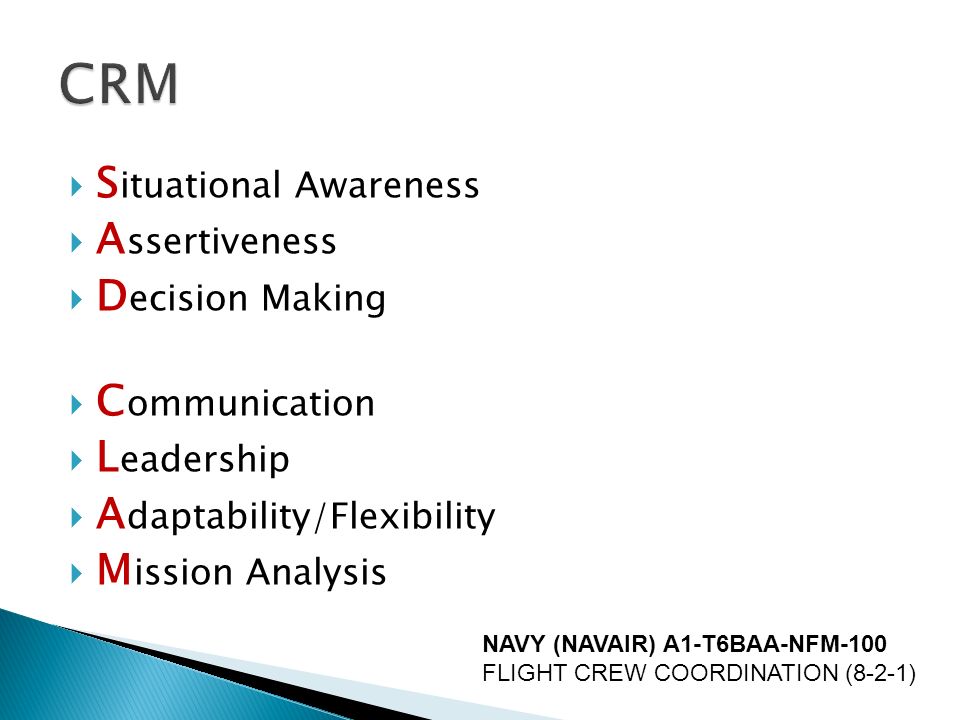
If I may bluntly say: Go with the higher paying job, then continue with your dreams. You'll have much more energy to put into your idea if you don't need to worry about finances so much.
If you are unsure, read Adam Grant's "Originals". Many of the high achievers he documents there we not in fact risk takers, but extremely careful about many things.
You can take risks, but not all out risks. Have a solid basis, and then use that as a foundation to build something new. I.e. be totally conventional and security seeking in everything else except in your dream project. That way you have the capacity to fail and learn for a longer time while working on your idea, hence increasing the likelihood of eventual success.
If you are unsure, read Adam Grant's "Originals". Many of the high achievers he documents there we not in fact risk takers, but extremely careful about many things.
You can take risks, but not all out risks. Have a solid basis, and then use that as a foundation to build something new. I.e. be totally conventional and security seeking in everything else except in your dream project. That way you have the capacity to fail and learn for a longer time while working on your idea, hence increasing the likelihood of eventual success.
As an Asian-American, I'm struggling through the same dilemma as well. I've been given a huge opportunity to move to Asia and to initiate a program at a Fortune 100 company, but recently my parents have gotten very ill. My dad was recently diagnosed with cancer, and has had multiple surgeries. My mom has a myriad of health issues, and I feel painfully selfish by not helping them. They would never burden me, and pushing me to go pursue my career dreams.
I think this is an experience that most people will face in their lifetime. I don't necessarily know if this is an Asian experience, and the discussion of family burdens because in our culture the parents would never say a thing about their illness. But, I don't think what they realize is that it puts even more pressure on the children on accepting the right path.
I think this is an experience that most people will face in their lifetime. I don't necessarily know if this is an Asian experience, and the discussion of family burdens because in our culture the parents would never say a thing about their illness. But, I don't think what they realize is that it puts even more pressure on the children on accepting the right path.
I'm asian. I'm not american. I think weighing career dreams (a stereotypical american thing) versus taking care my parents (a stereotypical asian thing) is not even a close decision. When I look back at my life, I'm not going to regret spending extra time in the office.
I'm in no way saying my opinion is correct, because everyone has different values. I'm just sharing my surprise of the dilemma in your post and the original article from my point of view.
In fact, my wife and I are a 1000 km apart because she has to take care of her parents and my parents and job are here. we've lived like this for 6 years.
I'm in no way saying my opinion is correct, because everyone has different values. I'm just sharing my surprise of the dilemma in your post and the original article from my point of view.
In fact, my wife and I are a 1000 km apart because she has to take care of her parents and my parents and job are here. we've lived like this for 6 years.
> When I look back at my life, I'm not going to regret spending extra time in the office.
Did you mean you're not going to regret not spending extra time in the office? i.e. family > work or did you mean work > family
Did you mean you're not going to regret not spending extra time in the office? i.e. family > work or did you mean work > family
I think GP meant “I have made the correct decisions in life by prioritizing family over work so that I will not later regret spending extra time in the office”.
There are two sources of non-regret:
Not valuing the thing you would sacrifice is one.
But not sacrificing the thing is another.
There are two sources of non-regret:
Not valuing the thing you would sacrifice is one.
But not sacrificing the thing is another.
Thanks for understanding despite my unclear comment.
Yes, sorry, i couldn’t edit my comment after. I prioritize family over my career.
To what end?
We are working on our own businesses. She will be at a point where she can hire staff soon to provide her more flexibility to travel here more. I'm running a side project which may change my career, allowing me to move. Other plans/alternatives too... situation is temporary even though it's measured in years.
For me, it's about chasing after an opportunity that will potentially change my career and life. I grew up with nothing, so I chase after everything. My parents were illegals and watching the struggle was very impactful. Even if I decided to go back and take care of them, I would get an earful.
How big is the opportunity? If it raises your income significantly will you be able to hire help to take care of some of the needs of your parents? Make your parents proud of your achievement can be an important factor to consider, esp. in the context of Asian culture.
In terms of medicine I think it is important to educate yourself about the particular problems your parents are facing. Medical books and journals are not that inaccessible to a well-educated person and not that time consuming to get a decent understanding of if you focus on problems at hand. Helping them understand their diseases and the medical system and set the right expectations may alleviate some of their anxieties.
In terms of medicine I think it is important to educate yourself about the particular problems your parents are facing. Medical books and journals are not that inaccessible to a well-educated person and not that time consuming to get a decent understanding of if you focus on problems at hand. Helping them understand their diseases and the medical system and set the right expectations may alleviate some of their anxieties.
Is bringing them with you an option and/or something you would consider at all? I will possibly be in a similar situation as yours soon.
A common trend I've noticed with successful founders in my small circle - little responsibilities to dependents and a ridiculous abundance of just-in-case-it-fails funds.
Anecdotally, that's the opposite of my experience in startups.
The founders who had funds to fall back on (or a job they could easily return to, or parents who could help them through tough times, etc) mostly either failed outright or ran their startup for years without really getting anywhere. I think the reason is that they didn't need to succeed. They were 'playing' at startups. It didn't matter if they failed.
The fear of actual, real failure is a fantastic motivator. Failing should have consequences for it to matter and for it to drive you to succeed. That doesn't need to be financial ruin of course; it could be that you truly believe your startup is important and necessary, and that you're solving an actual pain. I believe that startups with that are more likely to succeed. It'd be interesting to study it.
The founders who had funds to fall back on (or a job they could easily return to, or parents who could help them through tough times, etc) mostly either failed outright or ran their startup for years without really getting anywhere. I think the reason is that they didn't need to succeed. They were 'playing' at startups. It didn't matter if they failed.
The fear of actual, real failure is a fantastic motivator. Failing should have consequences for it to matter and for it to drive you to succeed. That doesn't need to be financial ruin of course; it could be that you truly believe your startup is important and necessary, and that you're solving an actual pain. I believe that startups with that are more likely to succeed. It'd be interesting to study it.
That is true.
But what one of the two points of OP is while you are running a startup, which would fail if you take your attention away, your chance of making it a success would be orders of magnitude higher if you don't have to care about your aged parents medical bills, or home mortgage, etc.
But what one of the two points of OP is while you are running a startup, which would fail if you take your attention away, your chance of making it a success would be orders of magnitude higher if you don't have to care about your aged parents medical bills, or home mortgage, etc.
So healthcare in China is two-tier? Excellent care for those with money or connections, and bad care for everyone else?
The author works in America as a writer (and the prose is excellent! Hard to believe English is a second language!).
Would things be any different if the mother lived in the states with her daughter? Would healthcare be better for her, or would it only be better if they were richer than they are?
As someone living in a country with working universal healthcare, I can only feel exceedingly sorry for those living in countries such as China and USA.
The author works in America as a writer (and the prose is excellent! Hard to believe English is a second language!).
Would things be any different if the mother lived in the states with her daughter? Would healthcare be better for her, or would it only be better if they were richer than they are?
As someone living in a country with working universal healthcare, I can only feel exceedingly sorry for those living in countries such as China and USA.
I trained in a major US West Coast city and had plenty of Chinese colleagues and friends in the neighborhood doing business with Chinese hospitals.
It's much worse than that. More like massively overworked doctors seeing patients in a room where the door is held open by the line of people outside, desparate family members pressing their life savings into doctors' hands, and, if the outcome is bad, hunting the doctors down to kill them.
Stories of clinic rooms separated only by mucus-covered meat-locker curtains. Bribes to get pathology cases read by US pathologists. Dual-appointed Chinese professors in the US, directing trials in China that would never happen in the US.
I never had a discussion with anyone encouraging me to go to China, no one told my about the miracles of Chinese medicine. Horror stories, every, single, time.
It's much worse than that. More like massively overworked doctors seeing patients in a room where the door is held open by the line of people outside, desparate family members pressing their life savings into doctors' hands, and, if the outcome is bad, hunting the doctors down to kill them.
Stories of clinic rooms separated only by mucus-covered meat-locker curtains. Bribes to get pathology cases read by US pathologists. Dual-appointed Chinese professors in the US, directing trials in China that would never happen in the US.
I never had a discussion with anyone encouraging me to go to China, no one told my about the miracles of Chinese medicine. Horror stories, every, single, time.
Two tier healthcare in China is more like the doctors refuse to do anything for you, or the hospital refuses to admit you.
https://qz.com/1206738/the-death-of-a-chinese-flu-patient-re...
The new yorker has a much more in depth diagnosis of health care in China.
https://www.newyorker.com/magazine/2014/08/25/under-the-knif...
https://qz.com/1206738/the-death-of-a-chinese-flu-patient-re...
The new yorker has a much more in depth diagnosis of health care in China.
https://www.newyorker.com/magazine/2014/08/25/under-the-knif...
That sounds like Valley Medical here in Si Valley. Ostensibly, they have to "accept everyone" but realistically, they put people on buses and send them elsewhere. Also, there are many specialties with zero appointments available and no waiting list... they require calling up at a certain time like getting Yosemite campgrounds. So much for capitalism and the miracles of being "better" than socialism.
It’s better at extracting value for the shareholders. Not that China is socialist, it looks dead set on combining the worst of capitalism and the worst of central planning.
Unlike U.S., Most good hospitals in China are public, but that doesn't change the fact that it's still expensive with the basic care if someone is in serious situation. More and more people are going towards buying some insurance nowadays.
Sometimes I wonder if universal healthcare works in big countries like U.S., China, India etc,.
Sometimes I wonder if universal healthcare works in big countries like U.S., China, India etc,.
> So healthcare in China is two-tier? Excellent care for those with money or connections, and bad care for everyone else?
> As someone living in a country with working universal healthcare
I don't know where you are living, but for example the praised German universal healthcare works exactly the same way - two-tier. Of course it's not bad on universal, but if you have money to go private the difference is obviously there.
> As someone living in a country with working universal healthcare
I don't know where you are living, but for example the praised German universal healthcare works exactly the same way - two-tier. Of course it's not bad on universal, but if you have money to go private the difference is obviously there.
Isn't it the same everywhere in the world? My first hand experiences are the US and Thailand and I have also researched quite a bit the medical tourism industry. Although there are some differences, it seems universally the case that most locals have access to public healthcare which is generally bad while those with money (wealthy locals and foreign medical tourists) have access to excellent doctors and facilities.
I know there are people positive on nationalized healthcare in some countries. But then I read about how wait times for medical procedures have reached record highs at hospitals in the UK and that there is now wait-time insurance offered in Canada to pay for trip and treatment in cases where you will be dead before your appointment date arrives.
I don't know that it has ever been different. Or that it ever will be.
I know there are people positive on nationalized healthcare in some countries. But then I read about how wait times for medical procedures have reached record highs at hospitals in the UK and that there is now wait-time insurance offered in Canada to pay for trip and treatment in cases where you will be dead before your appointment date arrives.
I don't know that it has ever been different. Or that it ever will be.
Minor medical procedures I think you will find - serious cases get fast tracked.
This resonated with me as an introvert and I'm not Chinese. There have been many times that I've realized, I should have spent more time collecting connections and less time working in front of the screen.
I think this also relates to the values my parents gave me that I should work for everything I have and hard work pays off. They never asked anyone for a favor or special privileges, so I never put much value on networking. When I get in a tough spot my natural instinct is to put my head down and solve the problem on my own.
Calling in a favor requires future planning because you need to collect the right kind of friends who also understand the value of passing favors. My observation is that it's much more common for business types, not engineers to think this way.
I think this also relates to the values my parents gave me that I should work for everything I have and hard work pays off. They never asked anyone for a favor or special privileges, so I never put much value on networking. When I get in a tough spot my natural instinct is to put my head down and solve the problem on my own.
Calling in a favor requires future planning because you need to collect the right kind of friends who also understand the value of passing favors. My observation is that it's much more common for business types, not engineers to think this way.
You don't need to collect the "right" kind of friends. This kind of thinking strips the humanity out of the process. It's an understandable conclusion but highly misleading.
The simplest heuristic to use that will get you to a better place - is to maintain/grow the connect with people you care about. What does that mean? Why do you care about certain ppl? How do they make you feel? What needs of yours are they meeting? How well do you understand/misunderstand their needs?And what is involved in maintaining and growing the connect through good and bad times?
The world can be divided into people who think about these questions all the time and those who don't. No guesses to who has more connections and is more comfortable calling in favours.
The good news is you too can spend time on those questions even if you currently don't. The more you do and deeper your answers get the more satisfying your life gets.
A large part of the human brain is devoted to social connection. But you have to learn and exercise it for the best results.
The simplest heuristic to use that will get you to a better place - is to maintain/grow the connect with people you care about. What does that mean? Why do you care about certain ppl? How do they make you feel? What needs of yours are they meeting? How well do you understand/misunderstand their needs?And what is involved in maintaining and growing the connect through good and bad times?
The world can be divided into people who think about these questions all the time and those who don't. No guesses to who has more connections and is more comfortable calling in favours.
The good news is you too can spend time on those questions even if you currently don't. The more you do and deeper your answers get the more satisfying your life gets.
A large part of the human brain is devoted to social connection. But you have to learn and exercise it for the best results.
> You don't need to collect the "right" kind of friends. This kind of thinking strips the humanity out of the process. It's an understandable conclusion but highly misleading.
I hate myself writing this, but I'm also going to say that you sometimes don't have the privilege of making friends for friend's sake. I'm Chinese, and in college I went out of my way to collect "useful" friends and curry favors because I knew that my parents (poor immigrants from Shangdong) couldn't support me if something happened, and I would rather die before asking them for more than they've already given me. It felt slimy and grotesque to work relationships in this way, but for me it felt like the only way to survive and build a safety net.
I hate myself writing this, but I'm also going to say that you sometimes don't have the privilege of making friends for friend's sake. I'm Chinese, and in college I went out of my way to collect "useful" friends and curry favors because I knew that my parents (poor immigrants from Shangdong) couldn't support me if something happened, and I would rather die before asking them for more than they've already given me. It felt slimy and grotesque to work relationships in this way, but for me it felt like the only way to survive and build a safety net.
I feel the same way. As I think about my own network, I feel like it's dangerously small and can't bring much to bear in times of need. As a fellow introvert, I didn't work hard in the past to build more and stronger connections. Only now am I seeing the problems that arise from not doing so. If only I had known...but then, I still would've been an introvert.
I came to US about 10 years ago. Finished my PhD and spent about 4 years in Software Industry. Saved some money. US has taught me a lot about entrepreneurship and software. Now moving to India for good to work on my own startup, spend more time with my hobbies and to stay close with my parents who are in their 60's. It took me more than an year to convince my parents (hardest to convince was my Mom) and my Wife. Looking back, I feel that is one of the best, courageous and hardest decisions I have taken in my life.
Also thanks to YC for accepting my Startup in to their Startup School Advisor Track. Namaste!
Also thanks to YC for accepting my Startup in to their Startup School Advisor Track. Namaste!
Good luck! You taking in any tiny amounts of seed funding? (10K or less?)
It’s the right decision. You will be able to take what you learned home and create wealth for thousands, if not more. India is going to surpass China in the next century.
India is one of the hardest countries to do business in. On top of that, many businesspeople (not to mention the government) are dishonest and will happily run with your money. The "guanxi" situation outlined above very much applies in India.
I'd be curious to see how someone educated on American entrepreneurship performs.
I'd be curious to see how someone educated on American entrepreneurship performs.
India is going to surpass China in the next century.
Might need some anti-corruption startups to make that happen outside of cricket...
Might need some anti-corruption startups to make that happen outside of cricket...
What is with this constant obsession with surpassing China. This is just so stupid.
India is going to surpass China in the next century.
Just curious, but this statement surprised me.
Surpass in what ways? GDP? Per capita income? Standard of living? Population? Level of honesty? Level of corruption? Level of transparency?
Any studies you can recommend that reach these conclusions?
Just curious, but this statement surprised me.
Surpass in what ways? GDP? Per capita income? Standard of living? Population? Level of honesty? Level of corruption? Level of transparency?
Any studies you can recommend that reach these conclusions?
Apart from population, in which factor ? India needs to reduce brain drain and population before even starting imaging compete with anyone.
India is going to be buckling under overpopulation, whereas China had already tackled that decades ago. Parts of India will be uninhabitable due to climate change, and there are already major water shortages.
However the Government does seem to be on the right track with their moves to introduce GST (replacing myriad taxes and duties from state to state) and cracking down on illegal cash.
However the Government does seem to be on the right track with their moves to introduce GST (replacing myriad taxes and duties from state to state) and cracking down on illegal cash.
We all know that diversity drives positive economic outcomes. India is by far the most diverse large country on the planet. That combined with her diaspora to the west and the consequent knowledge transfer, in addition to not being a major strategic rival to the USA, adds up to an extremely positive medium to long term outlook.
Yes there are major problems with corruption, it's true, but there are major problems with corruption in China and the USA for that matter. It's just in the USA the corruption is much more sophisticated and genteel. I mean this positively and I honestly believe Indian corruption is going to move toward the US model thanks to the large numbers of Indian nationals who have seen how much better that kind of corruption works. It's a classic case of not letting the perfect be the enemy of the less bad.
Yes there are major problems with corruption, it's true, but there are major problems with corruption in China and the USA for that matter. It's just in the USA the corruption is much more sophisticated and genteel. I mean this positively and I honestly believe Indian corruption is going to move toward the US model thanks to the large numbers of Indian nationals who have seen how much better that kind of corruption works. It's a classic case of not letting the perfect be the enemy of the less bad.
Do you have sources about diversity driving positive economic income ?
It seems to go without saying for you, but it's not that natural for me. There are several examples of very homogeneous countries, such as Japan or Korea, doing economical prowess.
It seems to go without saying for you, but it's not that natural for me. There are several examples of very homogeneous countries, such as Japan or Korea, doing economical prowess.
http://news.mit.edu/2014/workplace-diversity-can-help-bottom...
https://www.google.com/amp/s/www.forbes.com/sites/ruchikatul...
There are many many other studies, all easily queried. There’s also the largest and richest country in the world as a case study.
https://www.google.com/amp/s/www.forbes.com/sites/ruchikatul...
There are many many other studies, all easily queried. There’s also the largest and richest country in the world as a case study.
The largest country in the world is Russia, and the richest is Iceland. Do you mean the US ?
If so, what makes you think the US got successful because of diversity instead of other factors ?
Similarly, there are studies showing that skill diversity is important, but not bio diversity. For example this meta-study[1] : "Support was found for the positive impact of task-related diversity on team performance. In contrast, bio-demographic diversity had no relationship with team performance"
[1] https://www.researchgate.net/publication/228389271_The_Effec...
If so, what makes you think the US got successful because of diversity instead of other factors ?
Similarly, there are studies showing that skill diversity is important, but not bio diversity. For example this meta-study[1] : "Support was found for the positive impact of task-related diversity on team performance. In contrast, bio-demographic diversity had no relationship with team performance"
[1] https://www.researchgate.net/publication/228389271_The_Effec...
>The largest country in the world is Russia, and the richest is Iceland. Do you mean the US ?
I suppose this must be meant to be clever?
I suppose this must be meant to be clever?
Thank you and I too hope so!
wpdev_63(1)
It has less to do with China but more to do with the Author being so far from the home. Tomorrow her Mom might need her more and the government can only help that much. These are all the choices people make in life..
This is a very bizarre story.
Not everyone has the inclination to develop connections, nor should they.
Not everyone is motivated by more "practical" careers.
The truth is if she had a chance to repeat her life, she'd probably still choose to pursue her literary dreams.
She made the decision multiple times in her life to focus on other things besides connections or going for some "practical" career. She knew there would be different opportunities/costs regardless of the direction she chose.
It doesn't make a whole lot of sense to suddenly feel bitter regret about this. That's just hypocritical.
Not everyone has the inclination to develop connections, nor should they.
Not everyone is motivated by more "practical" careers.
The truth is if she had a chance to repeat her life, she'd probably still choose to pursue her literary dreams.
She made the decision multiple times in her life to focus on other things besides connections or going for some "practical" career. She knew there would be different opportunities/costs regardless of the direction she chose.
It doesn't make a whole lot of sense to suddenly feel bitter regret about this. That's just hypocritical.
Her closing remarks indicate it doesn't matter what choice she makes, she will have regrets. The end of the piece indicates it is systemic, a damned if you do, damned if you don't situation that shouldn't exist. It also describes a situation where the system sets you up for failure, then blames you when you fail.
They disappear people in China for criticizing the government. This strikes me as a left-handed critique of China, hopefully one that won't come back to bite the author.
They disappear people in China for criticizing the government. This strikes me as a left-handed critique of China, hopefully one that won't come back to bite the author.
My thoughts went the same way. I hope this article doesn't cause problem for the Author's parents back home.
I read it as a commentary on corruption, contacts and money governing access to things that should otherwise be accessible. People are so bogged down in trying to survive the system, often for the sake of dependents, that they don't have the time to change it.
Edit: Added bit about dependents.
Edit: Added bit about dependents.
If every patient demands the "best" doctor then indeed no system could satisfy everyone. If instead one settles for a competent doctor, esp. for a standard case I don't see why such care can't be routinely accessed in a place like Shanghai. Rural China is another story.
[deleted]
If I do a search and replace of China with India, this article would still be real and same.
That's a very well written piece. I don't know that it needs to be judged or debated.
Woah..
spoilers ahead
The author discusses her lack of guanxi and her decision to major in literature as a detriment to her career path ... in the new york times. The postmodernism is striking!
spoilers ahead
The author discusses her lack of guanxi and her decision to major in literature as a detriment to her career path ... in the new york times. The postmodernism is striking!
Detriment to her career path? Did you read the right article?
More like her lack of networking deterred her from getting the benefits of knowing people, benefits her peers can enjoy.
More like her lack of networking deterred her from getting the benefits of knowing people, benefits her peers can enjoy.
No, you should re-read the article.
She states that if she lacks networking, then she'd need to get by with wealth -- which then she follows up in a significant part of the article with why she doesn't have wealth due to taking up a less privileged career path.
She states that if she lacks networking, then she'd need to get by with wealth -- which then she follows up in a significant part of the article with why she doesn't have wealth due to taking up a less privileged career path.
You're mixing success in career with success in life (wealth/status). She's doing fine in her career path, right? If I want to be an accomplished historian of e.g. Tibetan architecture, I can know everything in that field, but it's probably not going to pay well because society doesn't care.
Then again, googling what "career success" means, the results say it's a personal definition, so maybe we're both wrong.
Then again, googling what "career success" means, the results say it's a personal definition, so maybe we're both wrong.
"I tried to secure her a specialist appointment at Huashan Hospital, one of the best public hospitals in Shanghai, only to discover that they were full till the end of August. "
I am a little confused. Why is getting an appointment at the best hospital by the end of August not good? Take the appointment. See a competent doctor you can find now and then go to the best hospital for a second opinion.
I am a little confused. Why is getting an appointment at the best hospital by the end of August not good? Take the appointment. See a competent doctor you can find now and then go to the best hospital for a second opinion.
If it relies on guanxi, your appointment probably would have been rescheduled whenever convenient to those with better connections to the hospital. You might schedule for August, but it's essentially meaningless if someone's always a higher priority than you.
I am not familiar with nuances of Chinese culture, but I was so intrigued by the "guanxi" phenomenon that I immediately and gladly spent half an hour reading about it and watching Youtube videos of the "guanxi" culture in China.[1]
"Guanxi" is nothing other than socially institutionalised networks of non-monetary favours and counter-favours. It happens in every culture actually but the thing that makes "quanxi" uniquely Chinese, in my very recent opinion, is that the folks living there have removed it from their subconscious, their latent and dissonant reality and made it front and center of their everyday thinking and living philosophy. They gave it a name! It seems they've accepted it as part of a means of survival in a world of scarcity and in so doing have collectively abandoned the shame associated with relying on favours. They've removed the shame of accepting that it's not only merit or competency alone that gets you ahead - because there are many competent in a land of 1 billion citizens - but also who you know to get you to ply your skills.
Now it seems meritocracy, as it is explained in Jianan Qian's excellently written article, is about how _competent_ you are with your "guanxi". Next level shit, this.
[1] https://www.youtube.com/watch?v=s2GBL-IfY3Q
"Guanxi" is nothing other than socially institutionalised networks of non-monetary favours and counter-favours. It happens in every culture actually but the thing that makes "quanxi" uniquely Chinese, in my very recent opinion, is that the folks living there have removed it from their subconscious, their latent and dissonant reality and made it front and center of their everyday thinking and living philosophy. They gave it a name! It seems they've accepted it as part of a means of survival in a world of scarcity and in so doing have collectively abandoned the shame associated with relying on favours. They've removed the shame of accepting that it's not only merit or competency alone that gets you ahead - because there are many competent in a land of 1 billion citizens - but also who you know to get you to ply your skills.
Now it seems meritocracy, as it is explained in Jianan Qian's excellently written article, is about how _competent_ you are with your "guanxi". Next level shit, this.
[1] https://www.youtube.com/watch?v=s2GBL-IfY3Q
> "Guanxi" is nothing other than socially institutionalised networks of non-monetary favours and counter-favours.
People like to focus on the favors part but Guanxi isn't really about exchanging favors and in fact you mostly never see any kind of explicit quid pro quo. Westerners tend to be "transactionally oriented" and never quite grasp that transactions are always a means to a greater end. In fact if you are seen to be "banking" favors people will quickly lose all confidence in you. There's two very simple ideas here: (1) if you want to succeed in your own endeavors you must make yourself useful and help others succeed in their endeavors and (2) non-monetary ("personal") obligations are much, much more important than monetary ("public") obligations. The "favors" aspect is kinda beside the point. Someone with really good guanxi will actually find others eager to help without even needing to ask!
People like to focus on the favors part but Guanxi isn't really about exchanging favors and in fact you mostly never see any kind of explicit quid pro quo. Westerners tend to be "transactionally oriented" and never quite grasp that transactions are always a means to a greater end. In fact if you are seen to be "banking" favors people will quickly lose all confidence in you. There's two very simple ideas here: (1) if you want to succeed in your own endeavors you must make yourself useful and help others succeed in their endeavors and (2) non-monetary ("personal") obligations are much, much more important than monetary ("public") obligations. The "favors" aspect is kinda beside the point. Someone with really good guanxi will actually find others eager to help without even needing to ask!
Everything you've tried to contrast a system of favors with in correcting the grandparent is exactly what a system of favors usually means.
Though there's no word for it here, this is also how the poor in the US get things done. Where the middle class become insular, and simply buys someone's time to do things they don't want to do, the poor trade favors with a large network of contacts to do the things that they need to get done.
poor trade favors with a large network of contacts to do the things that they need to get done
This happens in rural Ireland too. I was visiting friends there, we started in the morning with fenceposts and sardines and 4 or 5 trades later by the evening we had a turkey.
This happens in rural Ireland too. I was visiting friends there, we started in the morning with fenceposts and sardines and 4 or 5 trades later by the evening we had a turkey.
My SO and I were discussing her former boss who was an amazing people person. She would flatter people and curry favor, but it totally worked. It was hard not to like her because she was so good at it. Bringing those skills of building connections and favor up into the business world seems highly effective.
I think the main difference of guanxi is that it's bilateral.
In order to survive good in China you need some kind of in brain CRM
Where as "institutionalised networks" more or less implies like-minded people sharing the some common value.
Just my two cents.
In order to survive good in China you need some kind of in brain CRM
Where as "institutionalised networks" more or less implies like-minded people sharing the some common value.
Just my two cents.
I'm not so sure. There can be very strong and specific, sometimes illegal favours done for people within one's network that one is obligated to repay and there seem to be specific rules.
We might have the term 'favours for favours' but I don't even like that.
I do favours because if it's easy for me to help someone, I do that. I don't expect anything in return. Maybe if one day I need something obviously it makes it easier to ask, but it's not what I'm thinking of.
I think most regular people are thinking in these terms, i.e. we're not constantly keeping track of sour social clout within a specific network. Frankly I don't even like the people that do.
We might have the term 'favours for favours' but I don't even like that.
I do favours because if it's easy for me to help someone, I do that. I don't expect anything in return. Maybe if one day I need something obviously it makes it easier to ask, but it's not what I'm thinking of.
I think most regular people are thinking in these terms, i.e. we're not constantly keeping track of sour social clout within a specific network. Frankly I don't even like the people that do.
The author's self deprecation is brilliant. She uses her "meager useless" writing skills to broadcast to the one of the world's largest wealthy educated (kind?) audiences, readers of the NYTimes (not to mention HN), also subtly shaming anyone responsible for her mother's poor care past or future to the broadest most influential audience she can reach. What more can a mother ask for? I'm proud of her. Guanxi is not the only form of human influence in the world... isn't the "pen mightier than the sword?" (Sometimes). I wish the best for her and her mother.
The author is too pessimistic about the healthcare system in Shanghai or China. That's to say, the article is way too exaggerated and involve too much mood. I think one of factor she thinks so is she is too far away from her mother geographically. The lesson from her article: if you get sick, go to hospital as soon as possible, don't wait.
Well, fine, if your parents owned their home, the worst you have to deal with is the shame of failing. If I did a start-up and it failed, it's probable that my parents wouldn't even have a basement for me to return home to.