Ah ok, I suppose I expected WebMD to rely on better sources of information. I stay around 7-10% body fat and feel good in that range -- the few times I've gone below that I felt lethargic and performed poorly in sports.
So my original numbers were actually correct, but instead of the CDC it's the American Council on Exercise, whatever that is. The page before has the CDC recommendations on BMI. I was surprised too that 25% is considered acceptable. I am aware of the difference between BMI and body fat percentage, and that the former is an inaccurate gauge of fitness.
That's not quite correct. The CDC recommends a body fat percentage between 18% to 25%, and it's generally acknowledged that athletes can drop down to around 5%-6% without adverse effects. So, given those numbers, most healthy adults are carrying at least 20 pounds that they could safely lose.
> What happens when kids are raised with the attitude that they are guaranteed to survive on basic income?
When kids are raised without the persistent threat of not surviving? They'll stand a better chance of flourishing and reaching their full potential, like many of us here on HN who have an affluent background.
I enjoyed this article a lot too. Another funny line:
"The summer before I turned 13, my father got pretty gnarly brain cancer and told me and my sister to fuck off, though he used the Christian phrasing. And then he survived brain cancer and lived another 19 years. So that was awkward."
And a poignant one:
"I was in utero when my mother left my father. Her one great moment of bravery was defying the Baptist church and walking out on her abusive husband with a two-year-old and a half-done bun in the oven. I think she relied so heavily on her backbone in that moment that she was never able to stand up for herself again."
> It is evident that different societies have different rates of things like social cohesion, trust, violence and about a million other variables.
Of course...
> There are some societies that have managed to emulate the success of Europeans, such as the Japanese and Chinese, so we know it is possible, that is the good news.
Many culturally and technologically sophisticated societies existed in the ancient world outside of Europe -- in Asia, the Americas, and yes, Africa too. I have neither the time nor knowledge to list them all, but perhaps you should start by checking out what was happening in Egypt, China, Central America, and India long before golden age of European antiquity.
> The bad news is that there is no evidence Africa is attempting a similar feat. That is the fact and it is as plain as day.
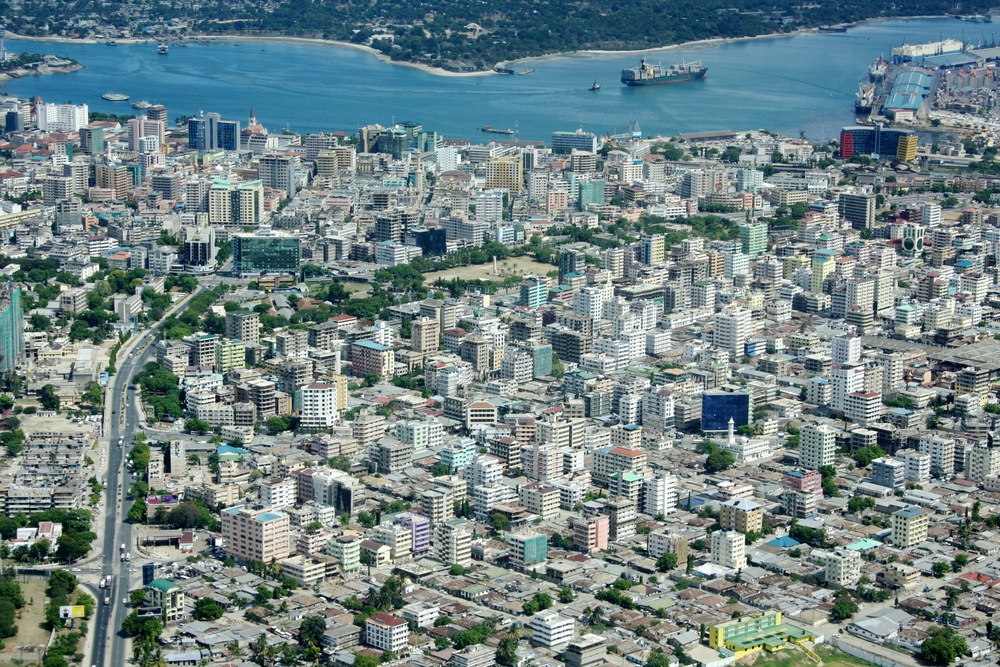
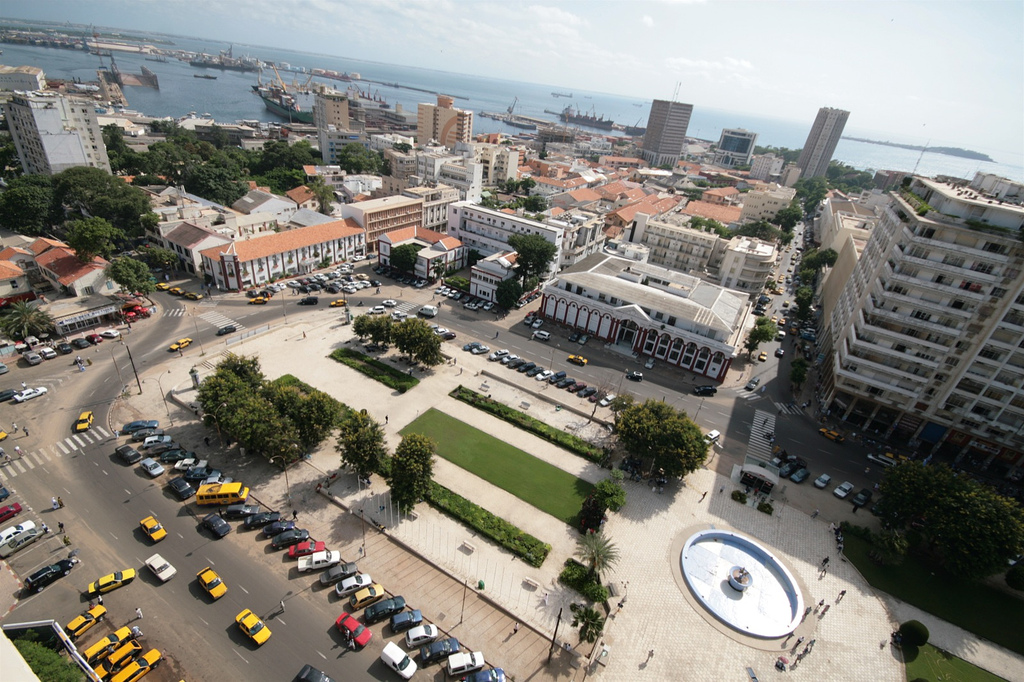
Nairobi, Lagos, Luanda, Dar es Salaam, Addis Ababa, Cairo, Dakar, Harare, Kigali, Abidjan...
> Think of the enormity of it. The richest people (Euros) trade with the East Asians across a terrific distance by land or sea. All those ships bypass Africa. It is incredible.
What is incredible is how ignorant you are. The images above clearly demonstrate that trade is happening in Africa, though however I don't think trade is a meaningful measure of societal "success" in the first place.
I agree with both of you. Ceremony is one way to attain a pleasant set and setting, but ultimately I get somewhat exasperated by all the woo and mysticism surrounding psychedelic use.
Psychedelics can be therapeutic or "spiritual", but once you have some familiarity they can also just be fun. I've had equally wonderful experiences sitting alone in the woods, playing beer pong at a frat party, exercising, playing an instrument, having sex, etc. Higher doses of certain psychedelics will make some of these experiences less pleasant / possible, but in general it can be much more than the solemn introspection that most people expect.