Google is using Widevine to control the browser market. Can't make a competitive browser without their permission. That is the purpose of DRM, and it works.
Instead, they're chanting "White silence equals violence". I'm sure demonization of a group that's on the way to becoming a minority will work out great.
The point isn't to protect content, but to need permission from the DRM makers to make a viable browser (or TV, or music player, or ebook reader, or...) Without their blessing, it won't work with locked content, and your users will go to a competitor favored by the DRM owners.
Justifiably so. For example, social science research proposals likely to have findings with an unwanted political impact have a 40-50% chance of being granted, compared to 95% for otherwise identical proposals without such impact: https://psycnet.apa.org/record/1986-12806-001
And since approval committees are drawn from the same pool as researchers themselves, such politically unfavorable research is less likely to be proposed in the first place, so the 95% -> 50% drop, if anything, underestimates the bias.
In other words, overwhelmingly, they simply won't do research that they think could hurt their politics.
Without principles, your freedom will be (is being!) slowly chiseled away, pragmatically accepting each small step. By the time even pragmatism tells you to refuse, it'll be too late.
(As someone pointed out, this does more than just prevent apps from running - it also leaks which apps you use and how often. Someone could ask Apple exactly when you started Tor browser, for example)
> Freedom and computer security are in fundamental opposition.
Only if you interpret "freedom" as "freedom for apps" instead of "freedom for the user". None of what you said precludes the user (I won't say "owner") being able to override Apple, or take Apple's place in deciding what their device may do.
In your mind, is a platform only "secure" when ultimate control is with the manufacturer, and not the user?
How much more "secure" were Apple's users in Hong Kong, after Apple decided to disable the app they were using to track the police?
> Walled gardens are safer, and usually have some implicit or explicit quality guarantee (like the Nintendo seal of quality).
And consumers who want to limit themselves to the safety of Apple's app store are free to do so. But Apple goes a step beyond this, and prevents consumers who don't want to be locked-in this way, from using "unauthorized" stores or apps.
It's false to claim that the only way to offer safety is to take away user freedom.
The citations can only include mistakes, not the enormous (and much more effective) bias in choosing which stories to run and how to frame them. Do you think it's a coincidence you only hear of police killings when the victim is black? Or, in the rare case when covering a white victim, that their race never makes the headline?
But when it's your sacred cows that science is slaying, you're not a "denialist", you're just wisely cautious about misinterpreting narrow studies, that are confounded by environmental and social influences, and in any case were produced by a systemically racist institution with a problematic history of justifying human rights abuses.
Though that never stops you from proclaiming what you'd want the studies to say as undisputed fact. It only becomes "complicated" when the studies say the wrong thing.
> It is a huge leap to go from "there's less Vitamin C in this supermarket carrot" to "you will get fewer diseases and/or live longer or better if you eat carrots from soil 100 years ago".
If only there was some kind of study linking vitamin [1] and protein intake [2] to health [3]...
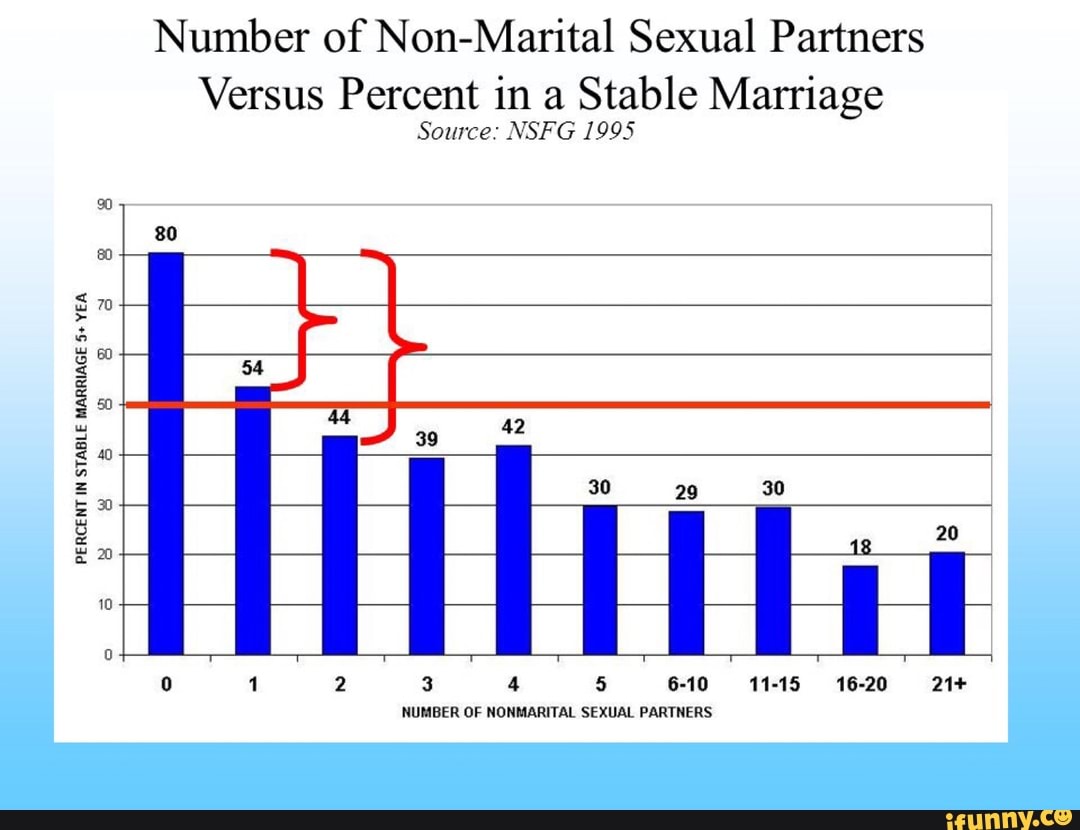
Are you sure that's not intended?
"Not enough migrants arriving to keep pay down - [Irish] Central Bank" - https://www.independent.ie/business/jobs/not-enough-migrants...